People Back to School Stationary: Practical Design Files for Real-Life Use
Whether you're designing a welcome banner for your child’s classroom, launching a back-to-school social media campaign for your small business, or creating printable planners for your tutoring service—People Back to School Stationary gives you flexible, ready-to-use design assets that fit seamlessly into your workflow. It’s not just clipart or generic templates. These are thoughtfully sized, professionally structured files built for actual use—not just display.
What Exactly Is People Back to School Stationary?
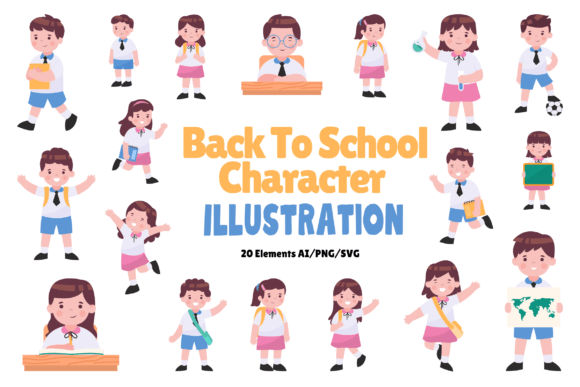
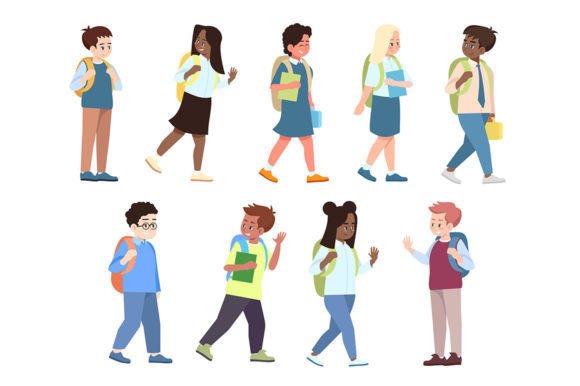
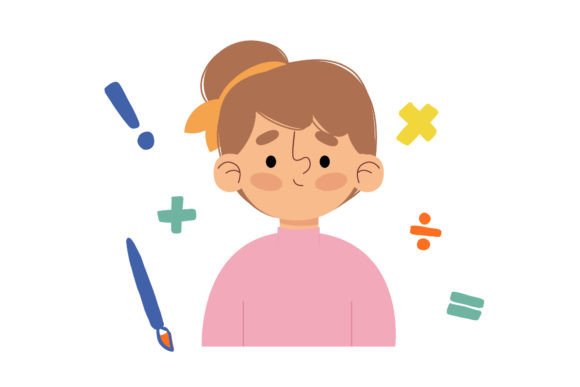
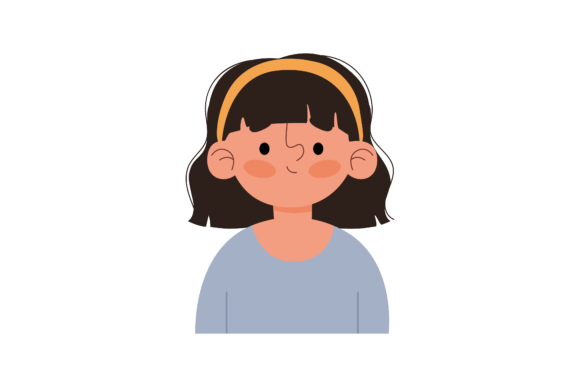
People Back to School Stationary is a curated set of editable digital design files centered around inclusive, relatable human figures returning to learning environments—think students, teachers, parents, and support staff in everyday school-related moments. The collection features warm, approachable illustrations (not cartoonish or overly stylized), with intentional diversity in age, ethnicity, ability, and role. Unlike stock graphics that feel distant or staged, these visuals reflect how real people show up at the start of a new academic year: carrying backpacks, adjusting glasses, holding notebooks, smiling beside lockers, or standing confidently in front of a whiteboard.
Where and When This Makes Immediate Sense
You don’t need a graphic design degree to get value from People Back to School Stationary—but you do need a moment where visual clarity matters. Here’s where it fits naturally:
- Educators preparing welcome slides for first-day parent meetings or printing classroom signs like “Our Learning Community Starts Here.” The AI and EPS files let you tweak colors to match your school’s branding without losing quality.
- Small business owners running after-school programs, tutoring centers, or educational supply shops—using the PNG and JPG versions for Facebook ads, email headers, or printed flyers announcing fall enrollment.
- Bloggers and content creators writing about learning routines, ADHD-friendly classroom strategies, or homeschool transitions—embedding the clean, transparent-background PNGs directly into blog posts to illustrate key points visually.
- Freelance designers building Canva templates, Notion dashboards, or printable planner kits for Etsy—leveraging the DXF file for laser-cutting custom desk organizers or the AI file to adjust proportions when adapting layouts for different devices.
- Nonprofits and community groups promoting literacy initiatives, school supply drives, or mentorship programs—reusing the same cohesive visual language across posters, handouts, and Instagram Stories.
Why Format Variety Matters More Than You Think
The fact that People Back to School Stationary includes six distinct file types isn’t about checking boxes—it solves real problems:
- The AI file lets you open and edit layers in Adobe Illustrator: change skin tones, swap outfits, or isolate individual elements (like a student holding a laptop) for reuse in another project.
- The EPS file ensures compatibility with older design software or print vendors who still rely on legacy workflows—no surprises when sending files to a local copy shop.
- The DXF file opens doors beyond screen-based work: if you’re cutting vinyl decals for classroom windows, engraving wooden name tags, or designing reusable fabric banners, this format bridges digital design and physical production.
- The JPG and PNG files? They’re optimized for immediate sharing—no export delays, no transparency headaches. Drop the PNG into a Google Slides deck and it resizes cleanly; paste the JPG into Mailchimp and it loads fast on mobile.
Realistic Things to Consider Before Using These Files
People Back to School Stationary works best when matched to your actual needs—not just what looks nice. Ask yourself:
- Do I need scalability? If you’re designing large-format prints (e.g., 4' x 8' welcome banners), stick with AI or EPS. JPG and PNG will pixelate if stretched too far.
- Is transparency required? For overlays on photos or videos—like adding a teacher figure to a classroom background video—use the PNG. JPG doesn’t support alpha channels.
- Will this go into production? If you’re ordering physical goods (stickers, apparel, signage), confirm with your vendor which formats they accept—and whether color profiles (CMYK vs. RGB) matter for your use case.
- How much editing do I realistically plan to do? If you only need quick drag-and-drop placement, the PNG or JPG saves time. If you want to recolor, resize limbs independently, or reposition hands holding objects, the AI file unlocks that control.
Who Benefits Most—and How It Shows Up in Their Day
A freelance educator building a paid course on classroom management might use the People Back to School Stationary AI file to create consistent slide headers—each showing a different person engaging with a strategy (“Setting Routines,” “Building Trust,” “Managing Transitions”). That visual continuity builds credibility and helps learners connect concepts to real people.
A homeschooling parent launching a YouTube channel about gentle learning approaches could use the PNG files to craft thumbnails that stand out in search results—showing diverse children interacting calmly with materials, rather than relying on overused stock photos of stiffly posed kids at desks.
A local bookstore hosting a “Back to School Story Hour” series might print the EPS version onto durable cardstock for window clings—then reuse the same illustration in their monthly newsletter, matching tone and recognition across touchpoints.
It’s Not Just About Looking Good—It’s About Communicating Clearly
School-related visuals often default to clichés: apples, pencils, graduation caps. But People Back to School Stationary focuses on the humans—the energy, intention, and quiet effort behind returning to learning. That makes it useful beyond August and September. A career coach helping adults return to education might use the same files in a workshop titled “Starting Over at Any Age.” A mental health counselor supporting teens through academic stress could adapt the imagery for worksheets on self-advocacy or boundary-setting.
The 1920px × 1280px canvas size isn’t arbitrary either—it’s built for modern screens (laptops, tablets, interactive whiteboards) while staying manageable for editing. You won’t waste time cropping or scaling down oversized files just to fit a presentation slide.
If you’ve ever spent 20 minutes searching for “diverse student vector” only to find outdated silhouettes or poorly licensed assets, People Back to School Stationary cuts through that friction. It’s not flashy—but it’s dependable, adaptable, and grounded in how people actually live, teach, learn, and lead during this meaningful seasonal shift.