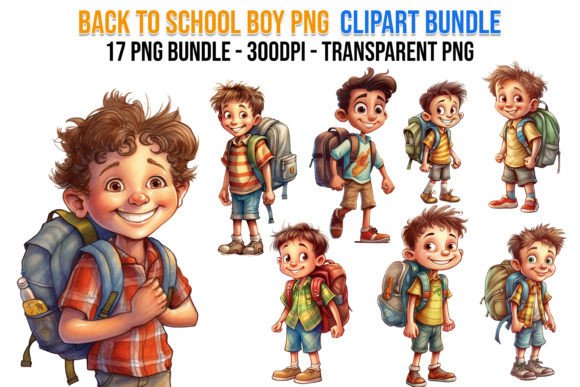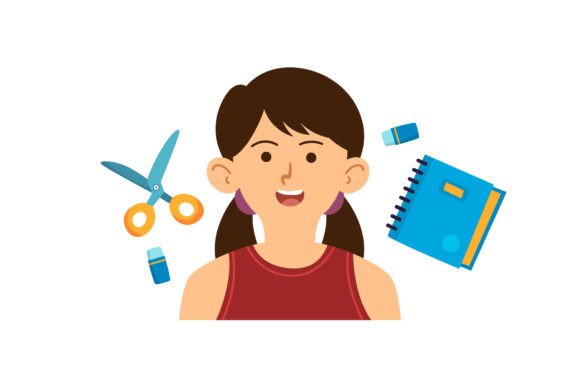
Back to School Girls in Tracksuits
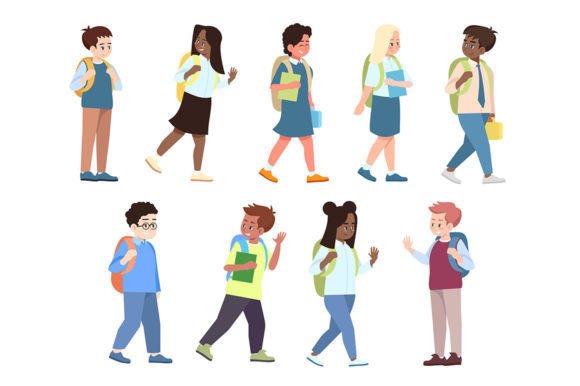
Back to School Girls in Tracksuits isn’t just a visual motif—it’s a versatile, culturally resonant design concept that bridges youth energy, modern style, and seasonal relevance. Think crisp autumn air, fresh notebooks, sneakers laced tight, and the confident stride of students stepping into a new academic year—not in stiff uniforms or generic school graphics, but in relaxed, sporty, self-expressive tracksuits. This design captures that spirit: dynamic, inclusive, grounded in real-life aesthetics, and ready to adapt across creative workflows.
Why This Design Fits Real Creative Needs
Unlike overly stylized or dated back-to-school assets, Back to School Girls in Tracksuits offers authenticity without sacrificing polish. The figures are contemporary—diverse in posture, expression, and subtle styling cues (hoodies zipped halfway, joggers cuffed at the ankle, backpacks slung over one shoulder)—making them feel lived-in and relatable. That realism matters: whether you’re designing a welcome banner for a middle school PTA newsletter or crafting social media visuals for an online tutoring startup, viewers respond to imagery that mirrors their world—not a caricature of it.
The 1920px × 1280px canvas size strikes a practical balance: large enough for high-resolution print (think posters, classroom decals, or event signage), yet optimized for digital use (website headers, Instagram carousels, email banners). And because it arrives in six formats—including AI, EPS, SVG, DXF, JPG, and PNG—you’re covered whether you’re vector-editing in Illustrator, cutting vinyl with a Cricut (DXF), layering transparent elements in Canva (PNG), or prepping for web export (SVG).
Creative Applications Across Roles
Different creators use this asset in ways that reflect their goals—not just their tools. Here’s how it translates across real-world contexts:
- Designers & Freelancers: Use the AI or EPS file to recolor tracksuits to match brand palettes, swap out background elements, or isolate figures for composite layouts. The clean vector paths make resizing lossless—even up to billboard scale.
- Educators & Administrators: Print the JPG or PNG on durable matte paper for hallway displays that celebrate student identity and wellness culture—not just academics. Pair with short, student-written quotes about confidence or goal-setting for deeper engagement.
- Small Business Owners: Apparel shops, custom print studios, or local sports retailers can adapt the SVG or DXF files directly for heat-transfer vinyl or screen-print stencils. Try simplifying the design into a bold line-art version for youth-focused merchandise like tote bags or water bottles.
- Bloggers & Content Creators: Embed the PNG in blog posts about back-to-school routines, mental wellness for teens, or inclusive fashion trends. Its neutral background makes it easy to overlay text or animate subtle transitions in video thumbnails.
- Hobbyists & Makers: Import the DXF into laser-cutting software to create layered acrylic wall art or wood-mounted classroom decor. Or use the SVG in embroidery software—adjust stitch density to render the silhouette cleanly on hoodies or backpack patches.
Staying Consistent Without Being Repetitive
One risk with thematic assets is visual fatigue—especially when used across multiple touchpoints. To keep Back to School Girls in Tracksuits feeling intentional rather than recycled, apply simple consistency principles:
- Anchor with purpose: Ask, “What action do I want this image to support?” A flyer promoting after-school fitness clubs might highlight motion (add subtle speed lines or blur effects); a mindfulness workshop invite could soften colors and pair the figure with a calm background gradient.
- Vary composition, not core identity: Zoom in on hands holding a reusable water bottle or a sketchbook; crop tightly for social profile avatars; mirror the figure for symmetrical layouts. The character stays recognizable, but the emphasis shifts.
- Respect context hierarchy: On a busy website hero section, let the figure serve as visual punctuation—not the sole focus. Add minimal typography (e.g., “New Year, New Goals”) in a clean sans-serif, sized to guide the eye—not compete with the image.
Practical Tips for Getting Started
You don’t need advanced software to begin. Start small and scale up:
- If you’re using Canva or Google Slides, upload the PNG first. Use its transparency to layer over photos, gradients, or patterns—no clipping masks required.
- For quick color updates in Photoshop or Affinity Photo, use Hue/Saturation adjustment layers instead of repainting. It preserves detail and keeps edits reversible.
- When adapting for accessibility (e.g., school newsletters for diverse learners), add descriptive alt text: “Two girls in navy and heather-gray tracksuits walking side-by-side, smiling, carrying backpacks—symbolizing community and readiness for learning.”
- Need variety without buying new assets? Duplicate the AI file and experiment: change hair textures, add glasses or headphones, adjust sleeve lengths. Even minor tweaks signal intentionality and expand your library organically.
A Resource That Grows With Your Work
Back to School Girls in Tracksuits works because it meets people where they are—whether you’re launching your first Etsy shop, updating a district-wide communications plan, or brainstorming lesson hooks for a diverse classroom. It doesn’t demand perfection from you; it invites thoughtful iteration. You’re not stuck with one pose or palette. You’re handed flexibility: vector precision for scalability, raster clarity for immediate use, and stylistic openness for interpretation.
That’s the quiet strength of well-designed, purpose-built assets. They save time not by doing the work for you—but by removing friction between idea and execution. So if you’re planning bulletin boards, drafting Instagram Stories, prototyping merch, or building a presentation for parent-teacher night, this isn’t just another download. It’s a starting point—one that already understands tone, timing, and audience.
Use it to clarify your message. Adapt it to reflect your values. Edit it until it feels like yours. Because great creative work isn’t about finding the perfect image—it’s about recognizing which ones give you room to think, act, and connect—with honesty and ease.